
Defend free speech and individual liberty online.
Push back against big tech and media gatekeepers.
Issue: December 6, 2022
World Health Organization meets to discuss granting of increased surveillance powers under pandemic treaty
The global health agency could get new surveillance powers by May 2024.
By Tom ParkerPosted 2:12 pm
Share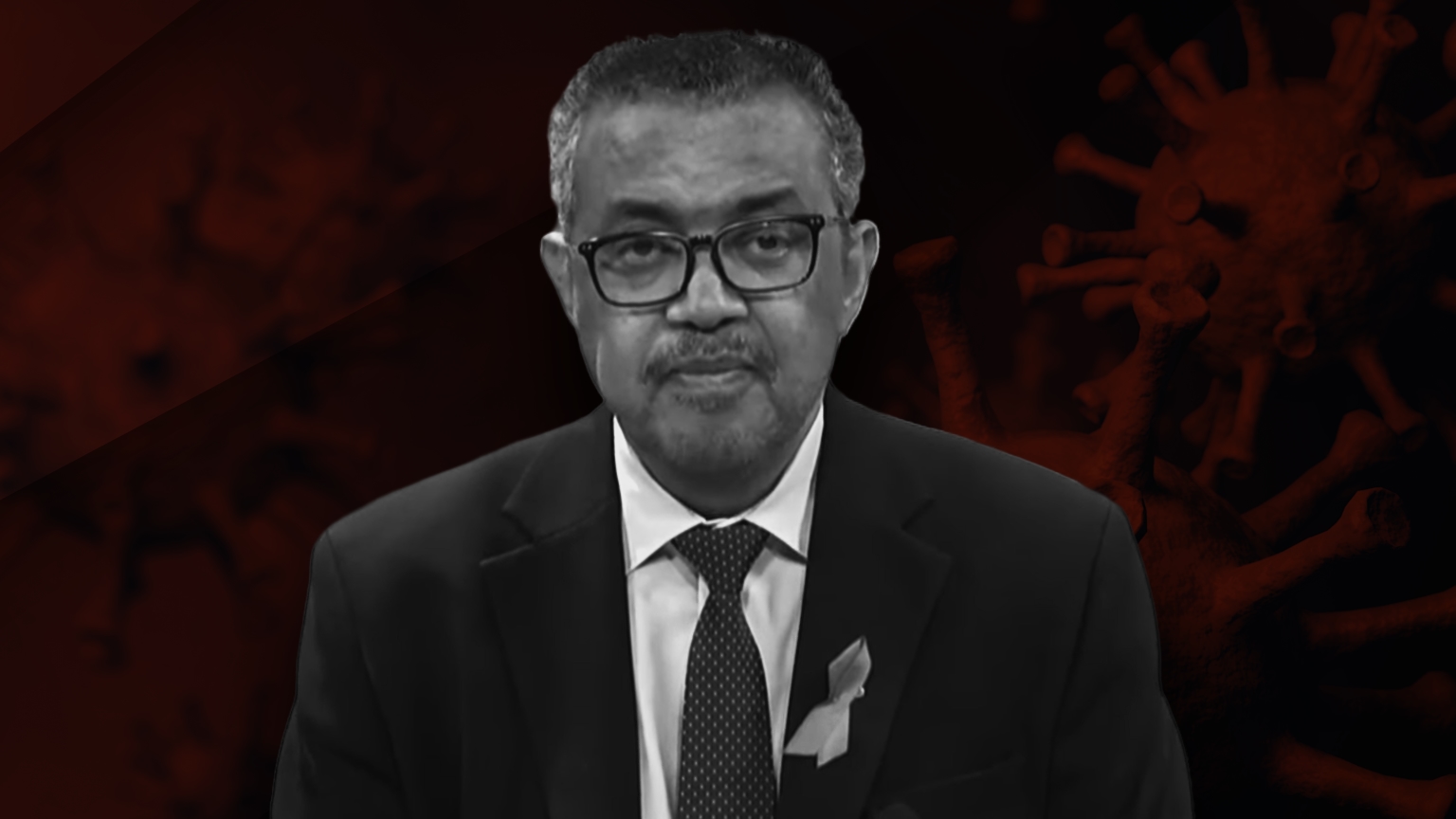
If you're tired of censorship, cancel culture, and the erosion of privacy and civil liberties
subscribe to Reclaim The Net.The unelected global health agency the World Health Organization (WHO) is currently meeting to consider a draft version of a controversial international pandemic treaty that will give the WHO increased surveillance powers.
The new surveillance powers are detailed in Article 10 (“Strengthening and sustaining capacities for pandemic prevention, preparedness, response and recovery of health systems”) and Article 17 (“One Health”) of the draft treaty. They include requirements for the WHO’s member states to “build and reinforce surveillance systems” across both the public and private sector and to strengthen the WHO’s “One Health surveillance systems.”
In its fact sheet on
One Health, the WHO cites Covid-19 as one of the main drivers for expanding its One Health approach and notes that the COVID-19 pandemic “put a spotlight on the need for a global framework for improved surveillance and a more holistic, integrated system.”
While the draft treaty doesn’t mention contact tracing and testing, these were two of the main surveillance tools that were used to track the spread of Covid-19 during the pandemic and create a mass surveillance dragnet. Not only did this result in many citizens being forced to use surveillance
apps and
devices but the data was often
abused by governments and third parties.
Not only does this treaty grant the WHO new surveillance powers but it also recognizes “the central role of WHO” and deems it to be “the directing and coordinating authority on international health work.”
We obtained a copy of the draft international pandemic treaty for you
here.
The
three-day meeting to discuss this draft treaty began on Monday (December 5) and ends Wednesday (December 7). Members of an intergovernmental negotiating body (INB) that was created by the WHO’s decision-making body, the World Health Assembly (WHA), are in attendance and have been tasked with drafting and negotiating this international pandemic treaty.
The INB is projecting that it will finalize this international pandemic treaty by May 2024 and present a final report to the seventy-seventh WHA meeting.
We obtained a copy of the INB’s current proposed timeline for you
here.
If it passes, the treaty will be adopted under Article 19 of
the WHO Constitution. This provision allows the WHA to impose legally binding conventions or agreements on
the WHO’s 194 member states (which represent 98% of all the countries in the world) if two-thirds of the WHA vote for them.
Unlike the lawmaking process within many democratic nations, where officials are elected to implement national laws that reflect the will of the people in the country and voted out if they fail to achieve this goal, the WHO empowers a small number of global representatives, who are often unelected diplomats, to decide on international laws that are imposed on the WHO’s 194 member states.
Before these meetings took place, the WHO demonstrated its love of mass surveillance. It has publicly supported vaccine passports
multiple times. The WHO also
initially commended China’s response to Covid, which
relies heavily on digital surveillance, and only recently
changed its stance to criticize China’s zero-Covid policy.
Many powerful nations support this WHO power grab including the United States (US),
United Kingdom (UK),
Canada, Australia, New Zealand, and the European Council (EC) (which represents 27
European Union (EU) member states).
While some politicians in these countries have opposed this treaty, the pushback has so far failed to stop or slow down the progress of this international pandemic treaty and the May 2024 finalization is still very much in play.
If you're tired of censorship, cancel culture, and the erosion of civil liberties
subscribe to Reclaim The Net.Defend free speech and individual liberty online.
Push back against big tech and media gatekeepers.
 The White House calls Twitter’s Hunter Biden censorship evidence “old news,” “distraction”READ »
December 6, 2022
 SCOTUS hears case of web designer who won’t provide services to same-sex couplesREAD »
December 6, 2022
 Australia launches biometric and QR app that grants access to servicesREAD »
December 6, 2022
 World Health Organization meets to plot censorship of “misinformation” under international pandemic treatyREAD »
December 6, 2022
 Turkey’s censorship law is harming independent media outletsREAD »
December 6, 2022
 UK: Labour lawmakers want to censor “legal but harmful” speech onlineREAD »
December 6, 2022
Big Tech alternatives:
 VPN Providers
 Private search engines
 Free speech friendly Discord alternatives
 Private web browsers
 Free speech friendly and privacy-focused social networks


