For those intrigued by REIKI here is an interesting site. by Bryan Mercier
Friday, December 18, 2015
Monday, December 14, 2015
Witnessing 101
Mark McMillion
Posted on December 11, 2015Link
If you don’t even know you’re supposed to do something, how can you be taught to do it? So in talking about witnessing, first a foundation should be laid from the Word that this is something we’re supposed to do.
The Devil does NOT want you to be a witness.
Because, folks, let me tell ‘ya, the Devil does NOT want you to be a witness. He may not have been able to stop you from being a Christian. But if he can corral you into being a fruitless, impotent, timid, unknowledgeable Christian, then he’ll be pretty satisfied with the results. And let’s face it. That’s the condition of many Christians today.

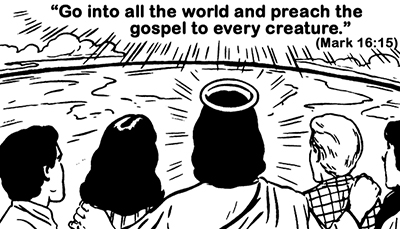
The fruit of an apple tree is apples; you’re “fruit” is your kids and the fruit of a Christian is another Christian. “Herein is my Father glorified that you bear much fruit, so shall you be My disciples”, Jesus said. (John 15:8) There are many verses like this in the gospels. But another one that couldn’t be plainer is when Jesus said to His disciples, “Go into all the world and preach the gospel to every creature.” (Mark 16:15)
But Mark…
We aren’t all preachers. You have to go to seminary to be able to do that and it takes years of knowledge and experiences to be ready to preach. That’s what we pay the preacher for, Mark. To preach. So if we feel like it and something really out of the ordinary happens, we might take some friend to church and the preacher will witness to them. That’s not our job, Mark
Admittedly that’s how it is in most places nowadays. But from the beginning, these things were not so. Christianity didn’t spread like wildfire throughout the world in the first centuries after Christ by it being limited to only a tiny handful being allowed to share it with others. Everybody witnessed.
The Devil does NOT want you to be a witness.
Because, folks, let me tell ‘ya, the Devil does NOT want you to be a witness. He may not have been able to stop you from being a Christian. But if he can corral you into being a fruitless, impotent, timid, unknowledgeable Christian, then he’ll be pretty satisfied with the results. And let’s face it. That’s the condition of many Christians today.
Is it their fault? The fault of their pastors? Their denominations? Let’s don’t go there. Let’s dig into the foundation of Christ’s teaching to His disciples about witnessing and see what He taught. I may share some key Bible verses from Jesus on this subject and perhaps some of the classic examples of excuses that our own lazy, indolent hearts will come up with to block the conviction of the Holy Spirit.
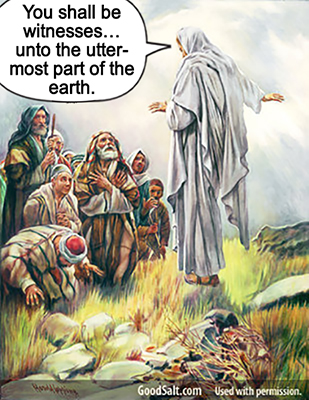
After His resurrection Jesus told His disciples, “You shall receive power after that the Holy Ghost is come upon you and you shall be witnesses unto me, both in Jerusalem, …and unto the uttermost parts of the earth.” (Acts 1:8)
But Mark…
That was for back then. My pastor never taught us that. My denomination doesn’t believe in that. Who am I, Mark? We’re not Peter, James and John, Mark! That was for them back then! That’s only for the very called and special people, not just for us all. I don’t know how to witness. What if they ask me a question and I don’t know the answer? Etc, etc.
Sound familiar? Let’s get back to Jesus. In John 15, He said, “I am the vine, you are the branches. He that abides in Me and I in Him, the same shall bring forth much fruit.” (John 15:5)
Mark! That’s the fruit of the Spirit! Love, joy and peace, Mark! I do that already, Mark.
Well, no, Jesus wasn’t talking about the fruit of the Spirit there; you’re mixing that up with what Paul
After His resurrection Jesus told His disciples, “You shall receive power after that the Holy Ghost is come upon you and you shall be witnesses unto me, both in Jerusalem, …and unto the uttermost parts of the earth.” (Acts 1:8)
But Mark…
That was for back then. My pastor never taught us that. My denomination doesn’t believe in that. Who am I, Mark? We’re not Peter, James and John, Mark! That was for them back then! That’s only for the very called and special people, not just for us all. I don’t know how to witness. What if they ask me a question and I don’t know the answer? Etc, etc.
Sound familiar? Let’s get back to Jesus. In John 15, He said, “I am the vine, you are the branches. He that abides in Me and I in Him, the same shall bring forth much fruit.” (John 15:5)
Mark! That’s the fruit of the Spirit! Love, joy and peace, Mark! I do that already, Mark.
Well, no, Jesus wasn’t talking about the fruit of the Spirit there; you’re mixing that up with what Paul
talked about in Galatians 3.
But Mark…
We aren’t all preachers. You have to go to seminary to be able to do that and it takes years of knowledge and experiences to be ready to preach. That’s what we pay the preacher for, Mark. To preach. So if we feel like it and something really out of the ordinary happens, we might take some friend to church and the preacher will witness to them. That’s not our job, Mark
Admittedly that’s how it is in most places nowadays. But from the beginning, these things were not so. Christianity didn’t spread like wildfire throughout the world in the first centuries after Christ by it being limited to only a tiny handful being allowed to share it with others. Everybody witnessed.
They were so enraptured with the love of God and excited about their salvation that it just gushed out of them and soon most of the known world of that day knew the truth of Jesus. Places like southern Scotland, the east coast of India and inland China had Christian communities within the first 100 years after the resurrection. Those folks spread the Word.
Some are doing it. But the vast majority are inoculated against sharing their faith with the unsaved.
But today? Well, there’s a little. Some are doing it. But the vast majority are inoculated against sharing their faith with the unsaved. They don’t even know they should. They’ll appropriate John 3:16 to themselves, the 23td Psalm and other comforting verses that they can rest their salvation and their relationship with the Lord on. But the challenges and commandments of the Lord to the first disciples to make it their commission, calling and direct orders from Him to go into all the world and preach the gospel to every creation, nope, that bunch of verses is not something they’re taught to take personally.
It doesn’t matter whose fault it is. It’s just vital to individuals and the body of Christ in these times that Christians take that charge and commission from the Lord back then to His disciples of those times just as seriously as we do the promises of salvation and eternal life.
This is not some heavy yoke that’s designed to take away your joy and burden you with some dreadful responsibility. I can tell you that some of the greatest joys I’ve ever experienced have been in witnessing and wining souls into His kingdom.
Some are doing it. But the vast majority are inoculated against sharing their faith with the unsaved.
But today? Well, there’s a little. Some are doing it. But the vast majority are inoculated against sharing their faith with the unsaved. They don’t even know they should. They’ll appropriate John 3:16 to themselves, the 23td Psalm and other comforting verses that they can rest their salvation and their relationship with the Lord on. But the challenges and commandments of the Lord to the first disciples to make it their commission, calling and direct orders from Him to go into all the world and preach the gospel to every creation, nope, that bunch of verses is not something they’re taught to take personally.
It doesn’t matter whose fault it is. It’s just vital to individuals and the body of Christ in these times that Christians take that charge and commission from the Lord back then to His disciples of those times just as seriously as we do the promises of salvation and eternal life.
This is not some heavy yoke that’s designed to take away your joy and burden you with some dreadful responsibility. I can tell you that some of the greatest joys I’ve ever experienced have been in witnessing and wining souls into His kingdom.
“There’s joy in the presence of the angels of God over one sinner that repents.” (Luke 15:10) And for those who are involved with His sowing and harvest, He brings a rejoicing as well as a strengthening to your heart that is mostly unknown by non-witnessing Christians. Hopefully I’ll write more soon, not only about our responsibility to witness but also some about how to go about it.
Celebrando o Presente Perfeito num Mundo Imperfeito
Link
Compilação
[Celebrating the Perfect Gift in an Imperfect World]
Por que será que sempre desejo ter um Natal perfeito?
Na minha mente, tenho a imagem de como deveria ser, apesar de não conseguir descrevê-la por completo. É nostálgico, terno, aconchegante, mágico e memorável. Mas ano após ano, acabo ficando decepcionada quando o Natal não sai do jeito que eu esperava, ou as circunstâncias não são exatamente as que eu escolheria.
Pensando bem, duvido que algum Natal ao longo das eras tenha sido “perfeito.” Até mesmo o primeiro Natal, motivo pelo qual celebramos a vinda de um Salvador amoroso à terra, em forma de bebê, não parece que tenha sido perfeito.
Se Maria era como qualquer outra mulher, no dia do parto de seu primeiro filho ela provavelmente passou pela dificuldade do trabalho de parto, seguido de exaustão total.
José provavelmente estava preocupado com o futuro de sua nova famÃlia. Ele também deve ter se sentido um pouco constrangido porque o melhor lugar que ele conseguiu para sua jovem esposa ter o primeiro filho foi um lugar onde animais comiam e dormiam. Talvez tenha se questionado que tipo de provedor seria nos anos por vir.
É muito provável que o pequeno grupo de pastores tenha ficado apavorado, pelo menos a princÃpio, quando um anjo apareceu do nada no meio da noite. Talvez tenham pensado que era o fim do mundo e provavelmente foi por isso que o anjo teve que começar a sua mensagem dizendo “Não tenham medo!”[1]
Bem distante desse local, homens sábios sentiam-se confusos e curiosos ao contemplar um fenômeno incrÃvel que estava ocorrendo no céu, tanto que decidiram fazer uma longa viagem para descobrir exatamente o que estava acontecendo. E quando chegaram à Judéia, devem ter ficado ainda mais curiosos e confusos ao descobrir que não havia um bebê rei para adorar naquele paÃs. Sua viagem se prolongou até finalmente encontrarem a pequena criança, que não possuÃa honra nem glória terrena, mas eles sabiam que Ele era o merecedor dos três preciosos presentes que tinham consigo.
Todos os judeus daquela época tiveram que se deslocar devido a uma nova lei; eles estavam viajando, provavelmente sentiam-se deprimidos, com saudades de casa ou fisicamente doentes, e talvez até se perguntassem por que Deus estava permitindo que passassem por tudo aquilo, ou até se Ele Se importava. A resposta Dele já havia chegado à terra e estava deitado no lugar mais incomum de todos ... uma manjedoura.
Aquele primeiro Natal não foi perfeito, assim como também não foi nenhum outro Natal depois daquele.
Mas apesar disso, cada Natal é lindo, pelo amor que é compartilhado naquele dia, pela troca de presentes do coração, pela alegria de estar com a famÃlia e os amigos, pela emoção e maravilha da época em si.
E mesmo que não tenha mais nada e você se encontre só, triste ou em desespero durante esta época especial, o Natal ainda é a época mais linda e maravilhosa do ano por causa da promessa que nos foi dada e se renova a cada Natal.
É a promessa de um amor que é eterno e verdadeiro, que compeliu Jesus a deixar o lugar mais maravilhoso que existe para caminhar pelas estradas empoeiradas da terra. É o que fez Ele estar disposto a passar privação, dor e morte, apenas para cumprir Sua promessa de que trilharia cada passo daquela mesma estrada com cada um de nós.
Ninguém está completamente só, e o Natal é o dia para se perceber a beleza de tal presente: amor eterno e a promessa de vida eternal junto do Criador deste amor.
Afinal, Ele é a razão do Natal.—Jewel Roque[2]
Dos palácios de marfim
Para muitos indivÃduos, o Natal é tudo menos maravilhoso. Na verdade, a jovialidade, a decoração, e a música soam simplesmente dissonantes por causa das lembranças e experiências associadas a esta época. ... Há muitos que choram a perda de uma pessoa amada para o câncer, ou outra doença debilitante ou destrutiva. Para essas pessoas, o Natal evoca a lembrança de mais uma cadeira vazia. Outros estão desempregados ou mal empregados, estão calejados pela solidão, tiveram suas expectativas frustradas, relacionamentos rompidos, e sentem rejeição que torce e distorce a alegria desta época e a transforma em um espetáculo extravagante. Em vez de enlevá-las em celebração, o tempo mais maravilhoso do ano parece um escárnio cruel ...
Toda a excitação, antecipação, e beleza desta época podem ser facilmente congeladas pela dor, a decepção e a tristeza; em vez de cantar canções de alegria, um gemido amargo emana delas como um vento frio e gelado.
A este mundo—o mundo do solstÃcio do inverno sombrio—Deus chegou. Não protegido do sofrimento ou da dor, Deus desceu em um mundo onde a pobreza, a violência e a dor eram uma parte diária da existência humana de Deus na pessoa de Jesus. José e Maria, que mal haviam saÃdo da adolescência, eram pobres, e Maria deu à luz o Messias em um celeiro sujo. Herodes, o Grande, usou seu poder para matar todos os meninos que havia em Belém com menos de dois anos de idade. Pastores dormiam em colinas verdejantes, sua casa nômade. Mesmo no ministério público de Jesus, seu primo, João Batista, seria decapitado. Jesus iria experimentar rejeição e, eventualmente, morrer a morte de um criminoso, com apenas algumas mulheres em luto permanecendo ao seu lado. O antigo hino “Dos Palácios de Marfim” disse muito bem:
Dos palácios de marfim, para um mundo de dor,
Só o Seu grande e eterno amor trouxe o meu Salvador.
A este mundo—nosso mundo sombrio do solstÃcio do inverno—chegou Deus. Deus chega em meio à dor e ao sofrimento, à dúvida e à decepção, à saudade e à solidão para fazer uma casa entre nós, para estar ao nosso lado pelo seu “grande e eterno amor.” O Evangelho de João nos diz que Deus não ficou longe de nós nem de nossos sofrimentos, mas que “o Verbo se fez carne e habitou entre nós.”[3] Para aqueles que acham que a época de Natal está longe de ser o “momento mais maravilhoso do ano,” Emanuel, Deusconosco, vem para ser a nossa consolação.
E nós que comemoramos esta temporada como o momento mais maravilhoso do anopodemos demonstrar sua beleza, alegria e celebração, estendendo a mão à queles que estão no meio do seu inverno sombrio, fazendo a nossa parte, dando o nosso tudo, compartilhando nossos corações.—Margaret Manning[4]
Simplesmente perfeito
Se você é como eu, quando vai chegando o Natal fica imaginando o Natal perfeito. Sua ideia da árvore e decorações perfeitas, o lugar ideal para ir durante o feriado, a ceia de Natal perfeita para a famÃlia e amigos, gemada, panetone, ou seja o que for que você ama. Talvez seu Natal perfeito seja do tipo que se vê nos filmes, com música tocando enquanto você abre os presentes, e seus presentes são exatamente o que sempre quis...
Eu não sei de você, mas os meus Natais têm raramente sido do tipo “pitoresco” ou perfeito. Sim, eles têm sido lindos e divertidos, e tenho ótimas lembranças. Mas eu diria que estes últimos Natais ficariam numa escala entre “um Natal tranquilo” a “abraçando o caos”. E nenhum deles foi nem de longe a minha ideia de um Natal ideal. Contudo, todos acabaram deixando lembranças muito especiais.
Apenas recentemente resolvi de verdade que Natal não tem que ser perfeito. Não tem que ser algo mágico de tirar o fôlego, contanto que aja amor, felicidade e tempo para celebrar o nascimento de Jesus.
Afinal de contas, o primeiro Natal foi uma bagunça e tanto. Se estivéssemos tentando recriá-lo perfeitamente, terÃamos que estar sem casa, cansados, viajando com o único propósito de nos cadastrarmos para pagar impostos. Não parece nada divertido nem perfeito em nenhum nÃvel! Dar à luz e passar a noite com vacas e ovelhas em um celeiro, seria a descrição do pior dia de todos para mim!
Contudo, sei que Deus fez um pouco da Sua própria mágica naquela noite, com aparição de anjos a pastores e uma nova estrela que apareceu no céu e que mais tarde guiou os três reis do Oriente até o rei que havia nascido. Aposto que Maria e José sempre valorizaram bastante aquela noite maluca, e contaram muitas vezes a história para Jesus quando Ele estava crescendo. A vida hoje em dia pode ser também uma bagunça e tanto, mas Jesus sempre aparece e acrescenta Seu próprio toque especial que faz maravilhas.
Se você ficar triste por seu Natal não estar sendo do que jeito que esperava, algo que realmente ajuda é encontrar uma maneira de melhorar um pouco o Natal de outra pessoa. Quando criança, eu costumava visitar pessoas em lares para idosos com a minha famÃlia durante a época do Natal. Era tão bom ver como nossa visita os deixava felizes. O simples ato de aparecer os ajudava a saber que não estavam sós nem esquecidos, e que alguém iria aparecer e cantar para eles ou fazer cartões de Natal com eles ou seja o que for que resolvÃamos fazer cada ano.
Visitar orfanatos e lares para idosos durante a época do Natal me lembrava do quanto eu tinha para estar agradecida, e fazia com que aquelas pequenas lamúrias sobre não ter o Natal “perfeito” parecessem menos importantes.
Não há nada errado com passar tempo tentando criar um lindo Natal e ter tradições ou expectativas de coisas para fazer com que seja especial para você, seus amigos e famÃlia; só não fique desencorajado se tudo não for perfeito. Talvez seus pais não tenham um orçamento que permita o tipo de presentes que seus amigos ganham no Natal, ou você não consiga estar com toda a sua famÃlia porque eles moram longe, ou qualquer outra coisa que possa fazer com que a situação não seja ideal para você.
No Natal comemoramos que Jesus veio à terra em meio a uma situação bastante imperfeita, mas o amor que o Seu nascimento significa faz com que este dia seja inesquecÃvel. As melhores lembranças de Natal não são necessariamente de coisas que saÃram perfeitas, mas muitas vezes dos momentos ligeiramente malucos cercados pelo amor de nossa famÃlia e amigos. Quando paramos para pensar no quanto temos para agradecer, podemos verdadeiramente desfrutar de um Natal maravilhosamente imperfeito.
“Natal não é perfeição. É celebrar Aquele que nos salvou da nossa incapacidade de perfeição.”[5]—Tina Kapp[6]
Publicado no Âncora em dezembro de 2015.
[1] Lucas 2:8–10.
[2] ExtraÃdo de um podcast de Just1Thing.
[3] João 1:14.
[4] http://rzim.org/a-slice-of-infinity/out-of-ivory-palaces.
[5] Tsh, “Embrace Imperfection,” Simple Mom, 24 de Dezembro de, 2012, http://simplemom.net/plan-your-peaceful-christmas-embrace-imperfection.
[6] ExtraÃdo de um podcast de Just1Thing.
Compilação
[Celebrating the Perfect Gift in an Imperfect World]
Por que será que sempre desejo ter um Natal perfeito?
Na minha mente, tenho a imagem de como deveria ser, apesar de não conseguir descrevê-la por completo. É nostálgico, terno, aconchegante, mágico e memorável. Mas ano após ano, acabo ficando decepcionada quando o Natal não sai do jeito que eu esperava, ou as circunstâncias não são exatamente as que eu escolheria.
Pensando bem, duvido que algum Natal ao longo das eras tenha sido “perfeito.” Até mesmo o primeiro Natal, motivo pelo qual celebramos a vinda de um Salvador amoroso à terra, em forma de bebê, não parece que tenha sido perfeito.
Se Maria era como qualquer outra mulher, no dia do parto de seu primeiro filho ela provavelmente passou pela dificuldade do trabalho de parto, seguido de exaustão total.
José provavelmente estava preocupado com o futuro de sua nova famÃlia. Ele também deve ter se sentido um pouco constrangido porque o melhor lugar que ele conseguiu para sua jovem esposa ter o primeiro filho foi um lugar onde animais comiam e dormiam. Talvez tenha se questionado que tipo de provedor seria nos anos por vir.
É muito provável que o pequeno grupo de pastores tenha ficado apavorado, pelo menos a princÃpio, quando um anjo apareceu do nada no meio da noite. Talvez tenham pensado que era o fim do mundo e provavelmente foi por isso que o anjo teve que começar a sua mensagem dizendo “Não tenham medo!”[1]
Bem distante desse local, homens sábios sentiam-se confusos e curiosos ao contemplar um fenômeno incrÃvel que estava ocorrendo no céu, tanto que decidiram fazer uma longa viagem para descobrir exatamente o que estava acontecendo. E quando chegaram à Judéia, devem ter ficado ainda mais curiosos e confusos ao descobrir que não havia um bebê rei para adorar naquele paÃs. Sua viagem se prolongou até finalmente encontrarem a pequena criança, que não possuÃa honra nem glória terrena, mas eles sabiam que Ele era o merecedor dos três preciosos presentes que tinham consigo.
Todos os judeus daquela época tiveram que se deslocar devido a uma nova lei; eles estavam viajando, provavelmente sentiam-se deprimidos, com saudades de casa ou fisicamente doentes, e talvez até se perguntassem por que Deus estava permitindo que passassem por tudo aquilo, ou até se Ele Se importava. A resposta Dele já havia chegado à terra e estava deitado no lugar mais incomum de todos ... uma manjedoura.
Aquele primeiro Natal não foi perfeito, assim como também não foi nenhum outro Natal depois daquele.
Mas apesar disso, cada Natal é lindo, pelo amor que é compartilhado naquele dia, pela troca de presentes do coração, pela alegria de estar com a famÃlia e os amigos, pela emoção e maravilha da época em si.
E mesmo que não tenha mais nada e você se encontre só, triste ou em desespero durante esta época especial, o Natal ainda é a época mais linda e maravilhosa do ano por causa da promessa que nos foi dada e se renova a cada Natal.
É a promessa de um amor que é eterno e verdadeiro, que compeliu Jesus a deixar o lugar mais maravilhoso que existe para caminhar pelas estradas empoeiradas da terra. É o que fez Ele estar disposto a passar privação, dor e morte, apenas para cumprir Sua promessa de que trilharia cada passo daquela mesma estrada com cada um de nós.
Ninguém está completamente só, e o Natal é o dia para se perceber a beleza de tal presente: amor eterno e a promessa de vida eternal junto do Criador deste amor.
Afinal, Ele é a razão do Natal.—Jewel Roque[2]
Dos palácios de marfim
Para muitos indivÃduos, o Natal é tudo menos maravilhoso. Na verdade, a jovialidade, a decoração, e a música soam simplesmente dissonantes por causa das lembranças e experiências associadas a esta época. ... Há muitos que choram a perda de uma pessoa amada para o câncer, ou outra doença debilitante ou destrutiva. Para essas pessoas, o Natal evoca a lembrança de mais uma cadeira vazia. Outros estão desempregados ou mal empregados, estão calejados pela solidão, tiveram suas expectativas frustradas, relacionamentos rompidos, e sentem rejeição que torce e distorce a alegria desta época e a transforma em um espetáculo extravagante. Em vez de enlevá-las em celebração, o tempo mais maravilhoso do ano parece um escárnio cruel ...
Toda a excitação, antecipação, e beleza desta época podem ser facilmente congeladas pela dor, a decepção e a tristeza; em vez de cantar canções de alegria, um gemido amargo emana delas como um vento frio e gelado.
A este mundo—o mundo do solstÃcio do inverno sombrio—Deus chegou. Não protegido do sofrimento ou da dor, Deus desceu em um mundo onde a pobreza, a violência e a dor eram uma parte diária da existência humana de Deus na pessoa de Jesus. José e Maria, que mal haviam saÃdo da adolescência, eram pobres, e Maria deu à luz o Messias em um celeiro sujo. Herodes, o Grande, usou seu poder para matar todos os meninos que havia em Belém com menos de dois anos de idade. Pastores dormiam em colinas verdejantes, sua casa nômade. Mesmo no ministério público de Jesus, seu primo, João Batista, seria decapitado. Jesus iria experimentar rejeição e, eventualmente, morrer a morte de um criminoso, com apenas algumas mulheres em luto permanecendo ao seu lado. O antigo hino “Dos Palácios de Marfim” disse muito bem:
Dos palácios de marfim, para um mundo de dor,
Só o Seu grande e eterno amor trouxe o meu Salvador.
A este mundo—nosso mundo sombrio do solstÃcio do inverno—chegou Deus. Deus chega em meio à dor e ao sofrimento, à dúvida e à decepção, à saudade e à solidão para fazer uma casa entre nós, para estar ao nosso lado pelo seu “grande e eterno amor.” O Evangelho de João nos diz que Deus não ficou longe de nós nem de nossos sofrimentos, mas que “o Verbo se fez carne e habitou entre nós.”[3] Para aqueles que acham que a época de Natal está longe de ser o “momento mais maravilhoso do ano,” Emanuel, Deusconosco, vem para ser a nossa consolação.
E nós que comemoramos esta temporada como o momento mais maravilhoso do anopodemos demonstrar sua beleza, alegria e celebração, estendendo a mão à queles que estão no meio do seu inverno sombrio, fazendo a nossa parte, dando o nosso tudo, compartilhando nossos corações.—Margaret Manning[4]
Simplesmente perfeito
Se você é como eu, quando vai chegando o Natal fica imaginando o Natal perfeito. Sua ideia da árvore e decorações perfeitas, o lugar ideal para ir durante o feriado, a ceia de Natal perfeita para a famÃlia e amigos, gemada, panetone, ou seja o que for que você ama. Talvez seu Natal perfeito seja do tipo que se vê nos filmes, com música tocando enquanto você abre os presentes, e seus presentes são exatamente o que sempre quis...
Eu não sei de você, mas os meus Natais têm raramente sido do tipo “pitoresco” ou perfeito. Sim, eles têm sido lindos e divertidos, e tenho ótimas lembranças. Mas eu diria que estes últimos Natais ficariam numa escala entre “um Natal tranquilo” a “abraçando o caos”. E nenhum deles foi nem de longe a minha ideia de um Natal ideal. Contudo, todos acabaram deixando lembranças muito especiais.
Apenas recentemente resolvi de verdade que Natal não tem que ser perfeito. Não tem que ser algo mágico de tirar o fôlego, contanto que aja amor, felicidade e tempo para celebrar o nascimento de Jesus.
Afinal de contas, o primeiro Natal foi uma bagunça e tanto. Se estivéssemos tentando recriá-lo perfeitamente, terÃamos que estar sem casa, cansados, viajando com o único propósito de nos cadastrarmos para pagar impostos. Não parece nada divertido nem perfeito em nenhum nÃvel! Dar à luz e passar a noite com vacas e ovelhas em um celeiro, seria a descrição do pior dia de todos para mim!
Contudo, sei que Deus fez um pouco da Sua própria mágica naquela noite, com aparição de anjos a pastores e uma nova estrela que apareceu no céu e que mais tarde guiou os três reis do Oriente até o rei que havia nascido. Aposto que Maria e José sempre valorizaram bastante aquela noite maluca, e contaram muitas vezes a história para Jesus quando Ele estava crescendo. A vida hoje em dia pode ser também uma bagunça e tanto, mas Jesus sempre aparece e acrescenta Seu próprio toque especial que faz maravilhas.
Se você ficar triste por seu Natal não estar sendo do que jeito que esperava, algo que realmente ajuda é encontrar uma maneira de melhorar um pouco o Natal de outra pessoa. Quando criança, eu costumava visitar pessoas em lares para idosos com a minha famÃlia durante a época do Natal. Era tão bom ver como nossa visita os deixava felizes. O simples ato de aparecer os ajudava a saber que não estavam sós nem esquecidos, e que alguém iria aparecer e cantar para eles ou fazer cartões de Natal com eles ou seja o que for que resolvÃamos fazer cada ano.
Visitar orfanatos e lares para idosos durante a época do Natal me lembrava do quanto eu tinha para estar agradecida, e fazia com que aquelas pequenas lamúrias sobre não ter o Natal “perfeito” parecessem menos importantes.
Não há nada errado com passar tempo tentando criar um lindo Natal e ter tradições ou expectativas de coisas para fazer com que seja especial para você, seus amigos e famÃlia; só não fique desencorajado se tudo não for perfeito. Talvez seus pais não tenham um orçamento que permita o tipo de presentes que seus amigos ganham no Natal, ou você não consiga estar com toda a sua famÃlia porque eles moram longe, ou qualquer outra coisa que possa fazer com que a situação não seja ideal para você.
No Natal comemoramos que Jesus veio à terra em meio a uma situação bastante imperfeita, mas o amor que o Seu nascimento significa faz com que este dia seja inesquecÃvel. As melhores lembranças de Natal não são necessariamente de coisas que saÃram perfeitas, mas muitas vezes dos momentos ligeiramente malucos cercados pelo amor de nossa famÃlia e amigos. Quando paramos para pensar no quanto temos para agradecer, podemos verdadeiramente desfrutar de um Natal maravilhosamente imperfeito.
“Natal não é perfeição. É celebrar Aquele que nos salvou da nossa incapacidade de perfeição.”[5]—Tina Kapp[6]
Publicado no Âncora em dezembro de 2015.
[1] Lucas 2:8–10.
[2] ExtraÃdo de um podcast de Just1Thing.
[3] João 1:14.
[4] http://rzim.org/a-slice-of-infinity/out-of-ivory-palaces.
[5] Tsh, “Embrace Imperfection,” Simple Mom, 24 de Dezembro de, 2012, http://simplemom.net/plan-your-peaceful-christmas-embrace-imperfection.
[6] ExtraÃdo de um podcast de Just1Thing.
Celebrating the Perfect Gift in an Imperfect World
A compilation
Link
Audio length: 11:56
Download Audio (10.9MB)
Why do I always wish for a perfect Christmas?
I have an image of one in my head—one that I can’t even fully describe. It’s nostalgic, soft and cozy, magical, and memorable. But year after year, I find myself feeling disappointed when Christmas doesn’t turn out the way I had hoped, or when circumstances aren’t exactly what I would have chosen.
Come to think of it, I doubt that any Christmas throughout the ages has ever been “perfect.” Even the first Christmas, the day that is our reason to celebrate a loving Savior coming to earth as a baby, didn’t appear perfect.
If Mary was anything like a normal woman on the day of the birth of her first child, she most likely went through the difficulty of childbirth, followed by complete exhaustion.
Joseph might have been worried about his new family’s future. He was also probably a bit embarrassed; after all, he couldn’t find any better place for his young wife to have her first child than a place where animals ate and lived. Maybe he wondered what kind of provider he would be in the years to come.
A small group of shepherds were most likely completely freaked out, at least at first, when an angel appeared out of nowhere in the middle of the night. Maybe they thought it was the end of the world, which was probably why the angel had to start his message with “Fear not!”1
Wise men, hundreds of miles away, were confused and wondering, as they beheld an amazing happening in the sky, so much so that they decided to travel a long way to find out exactly what was going on. Even once they reached Judaea, their curiosity and confusion probably grew, as there was no baby king to worship in that country. Their journey extended until they finally found a young child, who had no worldly honor and praise, but they knew that He was the one who deserved their three precious gifts.
All Jews of that time had been displaced due to a new law; they were traveling, probably depressed, homesick, or physically ill, maybe even wondering why God was allowing them to go through all of that, and if He even cared. His answer had already descended to earth and was lying in the most unlikely place—a manger.
That first Christmas was not perfect, nor has any Christmas since that day been perfect.
Yet each Christmas is beautiful!—For the love that is shared on that day, for the giving and receiving of gifts from the heart, for the joy of being with family and friends, for the excitement and wonder of the season itself.
And if nothing else, if you find that during this special season you are alone, sad, or in despair, Christmas is still the most wonderful and beautiful time of year, because of the promise that was given and is renewed each Christmas. It is the promise of a love that is enduring and true, that compelled Jesus to leave the most wonderful place in existence to walk earth’s dusty roads. It’s what made Him willing to experience deprivation, pain, and death, so that He could fulfill the promise to walk each step of that same road with each of us.
No one is ever completely alone, and Christmas is a day to realize the beauty of such a marvelous gift—love eternal, and the promise of life forever with the Creator of that love.
He is, after all, the reason for the season.—Jewel Roque2
Out of ivory palaces
For many individuals, Christmas is anything but wonderful. In fact, the joviality, décor, and the music simply strike dissonant chords because of the memories, emotions, and experiences associated with this season. … There are many who grieve the loss of a loved one through cancer or some other debilitating or destructive disease. For them, Christmas reminds them of yet another empty chair. Others experience joblessness or underemployment, numbing loneliness, disappointed expectations, ruptured relationships, and rejection that twist and distort the joy of the season into a garish spectacle. Instead of uplifting them in celebration, the most wonderful time of the year seems a cruel mockery…
All the excitement, anticipation, and beauty of the season can easily be frozen by pain, disappointment, and grief; instead of singing songs of joy, a bitter moan emanates like the cold, frostbitten wind.
Into this world—the world of the bleak midwinter—God arrived. Not sheltered from grief or pain, God descended into a world where poverty, violence, and grief were a daily part of God’s human existence in the person of Jesus. Joseph and Mary, barely teenagers, were poor, and Mary gave birth to the Messiah in a dirty barn. Herod the Great used his power to slaughter all the male children who were in Bethlehem under the age of two. Shepherds slept on grassy hills, their nomadic home. Even in Jesus’ public ministry, his cousin, John the Baptist, would be beheaded. Jesus would experience rejection and eventually die a criminal’s death, with only a few grieving women remaining at his side. The old hymn “Out of the Ivory Palaces” said it well:
Out of the ivory palaces, into a world of woe,
Only His great, eternal love, made my Savior go.
Into this world—our world of bleak midwinter—God arrives. God arrives in the midst of pain and suffering, doubt and disappointment, longing and loneliness to make a home with us, to be alongside of us because of “great, eternal love.” The Gospel of John tells us that God did not stay removed from us or from our sufferings, but that “the Word became flesh and dwelt among us.”3 For those who find the Christmas season far from the “most wonderful time of the year,” Immanuel, God with us, comes to be our consolation.
And those who celebrate this season as the most wonderful time of the year can demonstrate its beauty, joy, and celebration by reaching out to those in bleak midwinter, doing our part, giving our all, sharing our hearts.—Margaret Manning4
Perfect shmerfect
If you’re like me, when Christmas comes around, you have an idea of what the perfect Christmas should be like. Maybe you have a mental picture of the perfect tree and decorations, somewhere ideal to go on holiday, the perfect Christmas dinner surrounded by family and friends, eggnog, Christmas cake, or whatever it is that you love. Maybe your perfect Christmas would be movie-ideal, where the music is playing when you open your presents, and your presents are exactly what you’ve always wanted …
I don’t know about you, but my Christmases have rarely turned out that “picturesque” or perfect. Yes, they have been both beautiful and fun, and I have created great memories, but phrases that describe my last few Christmases range from “a quiet Christmas” to “embrace the chaos.” And none of them were anything remotely like my picture-perfect ideal Christmas; however, all of them have come to be very special memories that I treasure.
Only recently have I truly decided that Christmas doesn’t have to be perfect. It doesn’t have to bowl me over with magic as long as there’s love, happiness, and time taken to celebrate Jesus’ birth.
After all, the first Christmas was pretty messy. If we were trying to re-create it perfectly, we’d need to be homeless, tired, and traveling for the sole purpose of registering for taxes. That doesn’t sound fun or perfect on any level! Add to that having a baby and settling for the night with cows and sheep in an old barn, and you’ve pretty much described what for me would sound like the worst day ever!
However, I know that God worked a bit of His own special magic into that night, with angels appearing to shepherds and a new star appearing which would later lead the three wise men to search out the king who had been born. I bet Mary and Joseph always treasured that crazy night, and would often recount the amazing story to Jesus when He was growing up. Life today can be pretty messy as well, but Jesus always shows up and adds His own special touch of wonderful.
If you ever feel sad that your Christmas isn’t turning out to be all you’d hoped it would be, one thing that really helps is finding a way to make someone else’s Christmas a little better. As a kid, I used to visit people at retirement homes with my family during the Christmas season. It was so nice to see how happy it made them. The simple act of showing up helped them know that they weren’t alone or forgotten, and that someonewould come and sing for them or make them Christmas cards or whatever we decided to do each year.
Visiting orphanages and retirement homes during the holiday season reminded me of how much I had to be thankful for, and made those little grumbles about not having my “perfect” Christmas seem less important.
There’s nothing wrong with spending time trying to create a beautiful Christmas and having traditions or expectations of things that make it special for you and your friends and family; just don’t get discouraged if everything isn’t perfect. Maybe your parents don’t have the budget for the kind of presents your friends get at Christmas, or you don’t get to see all your family due to them living far away, or any number of things that make it less than ideal for you.
If anything less than perfect turns up at Christmas, you can make it a personal challenge to find beauty in the chaos. God often likes to show up in imperfect circumstances much like He did in that stable long ago, and He can help you focus on what it is that makes Christmas truly wonderful.
At Christmas we celebrate Jesus coming to earth in a pretty imperfect environment, but the love that His birth means to us makes the day unforgettable. The best Christmas memories are not necessarily of things turning out perfectly but often of the slightly crazy times surrounded by the love of family and friends. When we stop and think how much we have to be thankful for, we can truly enjoy a wonderfully imperfect Christmas.
“Christmas isn’t about perfection. It’s celebrating the One who saved us from our impossible need to be perfect.”5—Tina Kapp6
Published on Anchor December 2015. Read by Carol Andrews. Music taken from theRhythm of Christmas album. Used by permission.
1 Luke 2:8–10.
2 Excerpted from a Just1Thing podcast.
3 John 1:14.
4 http://rzim.org/a-slice-of-infinity/out-of-ivory-palaces.
5 Tsh, “Embrace Imperfection,” Simple Mom, December 24, 2012, http://simplemom.net/plan-your-peaceful-christmas-embrace-imperfection.
6 Excerpted from a Just1Thing podcast.
Link
Audio length: 11:56
Download Audio (10.9MB)
Why do I always wish for a perfect Christmas?
I have an image of one in my head—one that I can’t even fully describe. It’s nostalgic, soft and cozy, magical, and memorable. But year after year, I find myself feeling disappointed when Christmas doesn’t turn out the way I had hoped, or when circumstances aren’t exactly what I would have chosen.
Come to think of it, I doubt that any Christmas throughout the ages has ever been “perfect.” Even the first Christmas, the day that is our reason to celebrate a loving Savior coming to earth as a baby, didn’t appear perfect.
If Mary was anything like a normal woman on the day of the birth of her first child, she most likely went through the difficulty of childbirth, followed by complete exhaustion.
Joseph might have been worried about his new family’s future. He was also probably a bit embarrassed; after all, he couldn’t find any better place for his young wife to have her first child than a place where animals ate and lived. Maybe he wondered what kind of provider he would be in the years to come.
A small group of shepherds were most likely completely freaked out, at least at first, when an angel appeared out of nowhere in the middle of the night. Maybe they thought it was the end of the world, which was probably why the angel had to start his message with “Fear not!”1
Wise men, hundreds of miles away, were confused and wondering, as they beheld an amazing happening in the sky, so much so that they decided to travel a long way to find out exactly what was going on. Even once they reached Judaea, their curiosity and confusion probably grew, as there was no baby king to worship in that country. Their journey extended until they finally found a young child, who had no worldly honor and praise, but they knew that He was the one who deserved their three precious gifts.
All Jews of that time had been displaced due to a new law; they were traveling, probably depressed, homesick, or physically ill, maybe even wondering why God was allowing them to go through all of that, and if He even cared. His answer had already descended to earth and was lying in the most unlikely place—a manger.
That first Christmas was not perfect, nor has any Christmas since that day been perfect.
Yet each Christmas is beautiful!—For the love that is shared on that day, for the giving and receiving of gifts from the heart, for the joy of being with family and friends, for the excitement and wonder of the season itself.
And if nothing else, if you find that during this special season you are alone, sad, or in despair, Christmas is still the most wonderful and beautiful time of year, because of the promise that was given and is renewed each Christmas. It is the promise of a love that is enduring and true, that compelled Jesus to leave the most wonderful place in existence to walk earth’s dusty roads. It’s what made Him willing to experience deprivation, pain, and death, so that He could fulfill the promise to walk each step of that same road with each of us.
No one is ever completely alone, and Christmas is a day to realize the beauty of such a marvelous gift—love eternal, and the promise of life forever with the Creator of that love.
He is, after all, the reason for the season.—Jewel Roque2
Out of ivory palaces
For many individuals, Christmas is anything but wonderful. In fact, the joviality, décor, and the music simply strike dissonant chords because of the memories, emotions, and experiences associated with this season. … There are many who grieve the loss of a loved one through cancer or some other debilitating or destructive disease. For them, Christmas reminds them of yet another empty chair. Others experience joblessness or underemployment, numbing loneliness, disappointed expectations, ruptured relationships, and rejection that twist and distort the joy of the season into a garish spectacle. Instead of uplifting them in celebration, the most wonderful time of the year seems a cruel mockery…
All the excitement, anticipation, and beauty of the season can easily be frozen by pain, disappointment, and grief; instead of singing songs of joy, a bitter moan emanates like the cold, frostbitten wind.
Into this world—the world of the bleak midwinter—God arrived. Not sheltered from grief or pain, God descended into a world where poverty, violence, and grief were a daily part of God’s human existence in the person of Jesus. Joseph and Mary, barely teenagers, were poor, and Mary gave birth to the Messiah in a dirty barn. Herod the Great used his power to slaughter all the male children who were in Bethlehem under the age of two. Shepherds slept on grassy hills, their nomadic home. Even in Jesus’ public ministry, his cousin, John the Baptist, would be beheaded. Jesus would experience rejection and eventually die a criminal’s death, with only a few grieving women remaining at his side. The old hymn “Out of the Ivory Palaces” said it well:
Out of the ivory palaces, into a world of woe,
Only His great, eternal love, made my Savior go.
Into this world—our world of bleak midwinter—God arrives. God arrives in the midst of pain and suffering, doubt and disappointment, longing and loneliness to make a home with us, to be alongside of us because of “great, eternal love.” The Gospel of John tells us that God did not stay removed from us or from our sufferings, but that “the Word became flesh and dwelt among us.”3 For those who find the Christmas season far from the “most wonderful time of the year,” Immanuel, God with us, comes to be our consolation.
And those who celebrate this season as the most wonderful time of the year can demonstrate its beauty, joy, and celebration by reaching out to those in bleak midwinter, doing our part, giving our all, sharing our hearts.—Margaret Manning4
Perfect shmerfect
If you’re like me, when Christmas comes around, you have an idea of what the perfect Christmas should be like. Maybe you have a mental picture of the perfect tree and decorations, somewhere ideal to go on holiday, the perfect Christmas dinner surrounded by family and friends, eggnog, Christmas cake, or whatever it is that you love. Maybe your perfect Christmas would be movie-ideal, where the music is playing when you open your presents, and your presents are exactly what you’ve always wanted …
I don’t know about you, but my Christmases have rarely turned out that “picturesque” or perfect. Yes, they have been both beautiful and fun, and I have created great memories, but phrases that describe my last few Christmases range from “a quiet Christmas” to “embrace the chaos.” And none of them were anything remotely like my picture-perfect ideal Christmas; however, all of them have come to be very special memories that I treasure.
Only recently have I truly decided that Christmas doesn’t have to be perfect. It doesn’t have to bowl me over with magic as long as there’s love, happiness, and time taken to celebrate Jesus’ birth.
After all, the first Christmas was pretty messy. If we were trying to re-create it perfectly, we’d need to be homeless, tired, and traveling for the sole purpose of registering for taxes. That doesn’t sound fun or perfect on any level! Add to that having a baby and settling for the night with cows and sheep in an old barn, and you’ve pretty much described what for me would sound like the worst day ever!
However, I know that God worked a bit of His own special magic into that night, with angels appearing to shepherds and a new star appearing which would later lead the three wise men to search out the king who had been born. I bet Mary and Joseph always treasured that crazy night, and would often recount the amazing story to Jesus when He was growing up. Life today can be pretty messy as well, but Jesus always shows up and adds His own special touch of wonderful.
If you ever feel sad that your Christmas isn’t turning out to be all you’d hoped it would be, one thing that really helps is finding a way to make someone else’s Christmas a little better. As a kid, I used to visit people at retirement homes with my family during the Christmas season. It was so nice to see how happy it made them. The simple act of showing up helped them know that they weren’t alone or forgotten, and that someonewould come and sing for them or make them Christmas cards or whatever we decided to do each year.
Visiting orphanages and retirement homes during the holiday season reminded me of how much I had to be thankful for, and made those little grumbles about not having my “perfect” Christmas seem less important.
There’s nothing wrong with spending time trying to create a beautiful Christmas and having traditions or expectations of things that make it special for you and your friends and family; just don’t get discouraged if everything isn’t perfect. Maybe your parents don’t have the budget for the kind of presents your friends get at Christmas, or you don’t get to see all your family due to them living far away, or any number of things that make it less than ideal for you.
If anything less than perfect turns up at Christmas, you can make it a personal challenge to find beauty in the chaos. God often likes to show up in imperfect circumstances much like He did in that stable long ago, and He can help you focus on what it is that makes Christmas truly wonderful.
At Christmas we celebrate Jesus coming to earth in a pretty imperfect environment, but the love that His birth means to us makes the day unforgettable. The best Christmas memories are not necessarily of things turning out perfectly but often of the slightly crazy times surrounded by the love of family and friends. When we stop and think how much we have to be thankful for, we can truly enjoy a wonderfully imperfect Christmas.
“Christmas isn’t about perfection. It’s celebrating the One who saved us from our impossible need to be perfect.”5—Tina Kapp6
Published on Anchor December 2015. Read by Carol Andrews. Music taken from theRhythm of Christmas album. Used by permission.
1 Luke 2:8–10.
2 Excerpted from a Just1Thing podcast.
3 John 1:14.
4 http://rzim.org/a-slice-of-infinity/out-of-ivory-palaces.
5 Tsh, “Embrace Imperfection,” Simple Mom, December 24, 2012, http://simplemom.net/plan-your-peaceful-christmas-embrace-imperfection.
6 Excerpted from a Just1Thing podcast.
Morte ou Amanhecer?
D. Brandt Berg
Link
“[Cristo] apareceu uma vez por todas no fim dos tempos, para aniquilar o pecado mediante o sacrifÃcio de si mesmo. Da mesma forma, como o homem está destinado a morrer uma só vez e depois disso enfrentar o juÃzo, assim também Cristo foi oferecido em sacrifÃcio uma única vez, para tirar os pecados de muitos; e aparecerá segunda vez, não para tirar o pecado, mas para trazer salvação aos que o aguardam.”—Hebreus 9:26–28[1]
Jesus sofreu não apenas fisicamente, mas também no espÃrito quando morreu, como os pecadores sofrem no além pelos seus pecados. De outro modo não teria sofrido pelos nossos pecados. Mas Ele sofreu pelos nossos pecados.
A pior morte dos que não conhecem Jesus é a morte espiritual, o sofrimento espiritual na outra vida. A Palavra de Deus diz que Jesus passou três dias e três noites no centro da terra.[2] E diz que lá pregou aos espÃritos em prisão — pregou o Evangelho e lhes deu a verdade![3] Você diz: “Pensei que depois que se fosse para o Inferno não houvesse saÃda nunca mais!”
Se não houvesse a possibilidade de alguém no centro da terra ser salvo, porque Jesus Se daria ao trabalho de pregar para eles? Mas é evidente que aquelas pessoas nunca tinham ouvido o Evangelho. Portanto, o próprio Jesus foi e sofreu tal como elas sofriam, enquanto lhes pregava para que pudessem ser salvas.
Pense no que Jesus sofreu por nós! —Três dias e três noites no Inferno, no centro da terra. Ele sofreu por todos os pecados da humanidade! Não é incrÃvel? É amor demais! Ele morreu para que pudéssemos ser salvos!
Por isso, se nascer duas vezes só se morre uma vez. Mas se só nascer uma vez, morre-se duas vezes! O primeiro nascimento é um nascimento da água. O bebê no ventre fica dentro de uma bolsa d’água, e o primeiro sinal de que vai nascer é o jorro de água que sai; e o bebê é “nascido da água”.[4]
O outro nascimento é o renascimento espiritual, quando se “nasce de novo”.[5] Jesus diz que somos nascidos do espÃrito. É um renascimento espiritual, um renascimento do homem interior, da nossa personalidade, do verdadeiro eu, daquele que vive dentro dessa casca fÃsica.
O seu corpo não representa a sua essência. É apenas a sua casa fÃsica. Você está lá dentro olhando para mim. Posso vê-lo melhor através dos seus olhos do que olhando para o seu corpo. O verdadeiro eu é o espÃrito que está lá dentro, que vai viver para sempre depois do corpo ter morrido.
Por isso, Jesus disse que era preciso nascer de novo, que precisávamos ser refeitos. Ele diz que esse é o segundo nascimento.[6] O primeiro nascimento é apenas fÃsico, o segundo é espiritual.
Em resposta, Jesus declarou: “Digo-lhe a verdade: Ninguém pode ver o Reino de Deus, se não nascer de novo”. Perguntou Nicodemos: “Como alguém pode nascer, sendo velho? É claro que não pode entrar pela segunda vez no ventre de sua mãe e renascer!” Respondeu Jesus: “Digo-lhe a verdade: Ninguém pode entrar no Reino de Deus, se não nascer da água e do EspÃrito. O que nasce da carne é carne, mas o que nasce do EspÃrito é espÃrito. Não se surpreenda pelo fato de eu ter dito: É necessário que vocês nasçam de novo. O vento sopra onde quer. Você o escuta, mas não pode dizer de onde vem nem para onde vai. Assim acontece com todos os nascidos do EspÃrito”.—João 3:3–8[7]
Portanto, se você nasceu duas vezes, a primeira vez fisicamente e a segunda espiritualmente, só morrerá uma vez. Porque só sofrerá a morte fÃsica uma vez. O seu espÃrito nunca morrerá, porque Jesus morreu para que o seu espÃrito não tivesse que passar por isso. Ele salvou o nosso espÃrito.
“Os espÃritos dos justos aperfeiçoados”.[8] Foi isso o que Ele realizou na cruz.
Mas ele diz que os que não recebem Jesus e cujos pecados não estão perdoados, serão ressuscitados dos mortos no JuÃzo Final e julgados segundo as suas obras. Alguns irão para o Lago de Fogo e outros viverão fora da Cidade Celestial.[9]
“Esta é a segunda morte.”[10] Por quê? Porque só nasceram uma vez e nunca foram salvos, nunca receberam Jesus, nunca nasceram de novo. Receber Jesus é um novo nascimento do espÃrito, você se torna uma nova pessoa interiormente.
Paulo diz que o “velho homem”, a parte fÃsica, morre cada dia, mas o homem interior se “renova de dia a dia”. “O homem exterior se corrompe, mas o interior renova-se de dia a dia.”[11] O corpo vai decaindo, mas o espÃrito se fortalece diariamente.
Para o cristão a morte é liberdade. É uma liberação maravilhosa! O crente em Cristo é libertado deste velho corpo tão problemático!
Um dia destes, você ficará livre. Poderá deixar para trás esse velho corpo! Faz-me lembrar daquela velha canção: “Esta velha casa não vai durar muito.” Este corpo é apenas a velha casa na qual vivo. Não representa quem eu sou na realidade. Eu apenas vivo dentro dela. E estou vendo você.
Louvado seja Deus! A morte, na realidade, é liberdade para o cristão! Por isso, se você nasceu duas vezes, só morrerá uma vez — a morte do corpo — mas o espÃrito não morre. Mas se só tiver nascido uma vez e não tiver nascido de novo, morrerá duas vezes — uma vez o corpo e uma vez o espÃrito.
Portanto, foi isso o que Jesus fez na cruz quando morreu por nós. Ele não só morreu fisicamente, mas passou pelo sofrimento do pecador quando o seu espÃrito morre. Bom, não sabemos exatamente o que é a morte do espÃrito. Jesus diz que é o Inferno, que é como fogo para alguns! É algo muito, muito terrÃvel, uma espécie de sofrimento pelos pecados.
Afinal de contas, se não acredita que Jesus sofreu pelos seus pecados, então terá que sofrer por eles. Mas se acredita em Jesus, então nasce duas vezes e morre apenas uma vez. Mas se não acredita em Jesus, nasce uma vez e morre duas vezes!
As Escrituras dizem: “E aos homens está ordenado morrerem uma vez, vindo depois disso o juÃzo”.[12] Todos têm que morrer pelo menos uma vez, mas nem todos vão morrer duas vezes. Glória a Deus!
Podemos agradecer a Deus pela morte, a nossa formatura e libertação! Como diz a velha canção:
Quando amanhecer, adeus pesares e dores!
Adeus problemas de hoje!
Não haverá dor ou morte no amanhã de Deus!
Quando amanhecer e as sombras desaparecerem![13]
Deus o abençoe! Feliz voo para a outra vida! Até lá!
Publicado originalmente em outubro de 1976. Adaptado e republicado em dezembro de 2015.
[1] ESV.
[2] Mateus 12:40.
[3] 1 Pedro 3:18–19.
[4] Ver João 3:5.
[5] Ver João 3:3.
[6] João 3:3.
[7] ESV.
[8] Hebreus 12:23.
[9] Ver Apocalipse 20 e 22.
[10] Apocalipse 20:14.
[11] 2 CorÃntios 4:16.
[12] Hebreus 9:27.
[13] Adaptação de “When Morning Dawns,” by Alfred H. Ackley, 1939.
Link
“[Cristo] apareceu uma vez por todas no fim dos tempos, para aniquilar o pecado mediante o sacrifÃcio de si mesmo. Da mesma forma, como o homem está destinado a morrer uma só vez e depois disso enfrentar o juÃzo, assim também Cristo foi oferecido em sacrifÃcio uma única vez, para tirar os pecados de muitos; e aparecerá segunda vez, não para tirar o pecado, mas para trazer salvação aos que o aguardam.”—Hebreus 9:26–28[1]
Jesus sofreu não apenas fisicamente, mas também no espÃrito quando morreu, como os pecadores sofrem no além pelos seus pecados. De outro modo não teria sofrido pelos nossos pecados. Mas Ele sofreu pelos nossos pecados.
A pior morte dos que não conhecem Jesus é a morte espiritual, o sofrimento espiritual na outra vida. A Palavra de Deus diz que Jesus passou três dias e três noites no centro da terra.[2] E diz que lá pregou aos espÃritos em prisão — pregou o Evangelho e lhes deu a verdade![3] Você diz: “Pensei que depois que se fosse para o Inferno não houvesse saÃda nunca mais!”
Se não houvesse a possibilidade de alguém no centro da terra ser salvo, porque Jesus Se daria ao trabalho de pregar para eles? Mas é evidente que aquelas pessoas nunca tinham ouvido o Evangelho. Portanto, o próprio Jesus foi e sofreu tal como elas sofriam, enquanto lhes pregava para que pudessem ser salvas.
Pense no que Jesus sofreu por nós! —Três dias e três noites no Inferno, no centro da terra. Ele sofreu por todos os pecados da humanidade! Não é incrÃvel? É amor demais! Ele morreu para que pudéssemos ser salvos!
Por isso, se nascer duas vezes só se morre uma vez. Mas se só nascer uma vez, morre-se duas vezes! O primeiro nascimento é um nascimento da água. O bebê no ventre fica dentro de uma bolsa d’água, e o primeiro sinal de que vai nascer é o jorro de água que sai; e o bebê é “nascido da água”.[4]
O outro nascimento é o renascimento espiritual, quando se “nasce de novo”.[5] Jesus diz que somos nascidos do espÃrito. É um renascimento espiritual, um renascimento do homem interior, da nossa personalidade, do verdadeiro eu, daquele que vive dentro dessa casca fÃsica.
O seu corpo não representa a sua essência. É apenas a sua casa fÃsica. Você está lá dentro olhando para mim. Posso vê-lo melhor através dos seus olhos do que olhando para o seu corpo. O verdadeiro eu é o espÃrito que está lá dentro, que vai viver para sempre depois do corpo ter morrido.
Por isso, Jesus disse que era preciso nascer de novo, que precisávamos ser refeitos. Ele diz que esse é o segundo nascimento.[6] O primeiro nascimento é apenas fÃsico, o segundo é espiritual.
Em resposta, Jesus declarou: “Digo-lhe a verdade: Ninguém pode ver o Reino de Deus, se não nascer de novo”. Perguntou Nicodemos: “Como alguém pode nascer, sendo velho? É claro que não pode entrar pela segunda vez no ventre de sua mãe e renascer!” Respondeu Jesus: “Digo-lhe a verdade: Ninguém pode entrar no Reino de Deus, se não nascer da água e do EspÃrito. O que nasce da carne é carne, mas o que nasce do EspÃrito é espÃrito. Não se surpreenda pelo fato de eu ter dito: É necessário que vocês nasçam de novo. O vento sopra onde quer. Você o escuta, mas não pode dizer de onde vem nem para onde vai. Assim acontece com todos os nascidos do EspÃrito”.—João 3:3–8[7]
Portanto, se você nasceu duas vezes, a primeira vez fisicamente e a segunda espiritualmente, só morrerá uma vez. Porque só sofrerá a morte fÃsica uma vez. O seu espÃrito nunca morrerá, porque Jesus morreu para que o seu espÃrito não tivesse que passar por isso. Ele salvou o nosso espÃrito.
“Os espÃritos dos justos aperfeiçoados”.[8] Foi isso o que Ele realizou na cruz.
Mas ele diz que os que não recebem Jesus e cujos pecados não estão perdoados, serão ressuscitados dos mortos no JuÃzo Final e julgados segundo as suas obras. Alguns irão para o Lago de Fogo e outros viverão fora da Cidade Celestial.[9]
“Esta é a segunda morte.”[10] Por quê? Porque só nasceram uma vez e nunca foram salvos, nunca receberam Jesus, nunca nasceram de novo. Receber Jesus é um novo nascimento do espÃrito, você se torna uma nova pessoa interiormente.
Paulo diz que o “velho homem”, a parte fÃsica, morre cada dia, mas o homem interior se “renova de dia a dia”. “O homem exterior se corrompe, mas o interior renova-se de dia a dia.”[11] O corpo vai decaindo, mas o espÃrito se fortalece diariamente.
Para o cristão a morte é liberdade. É uma liberação maravilhosa! O crente em Cristo é libertado deste velho corpo tão problemático!
Um dia destes, você ficará livre. Poderá deixar para trás esse velho corpo! Faz-me lembrar daquela velha canção: “Esta velha casa não vai durar muito.” Este corpo é apenas a velha casa na qual vivo. Não representa quem eu sou na realidade. Eu apenas vivo dentro dela. E estou vendo você.
Louvado seja Deus! A morte, na realidade, é liberdade para o cristão! Por isso, se você nasceu duas vezes, só morrerá uma vez — a morte do corpo — mas o espÃrito não morre. Mas se só tiver nascido uma vez e não tiver nascido de novo, morrerá duas vezes — uma vez o corpo e uma vez o espÃrito.
Portanto, foi isso o que Jesus fez na cruz quando morreu por nós. Ele não só morreu fisicamente, mas passou pelo sofrimento do pecador quando o seu espÃrito morre. Bom, não sabemos exatamente o que é a morte do espÃrito. Jesus diz que é o Inferno, que é como fogo para alguns! É algo muito, muito terrÃvel, uma espécie de sofrimento pelos pecados.
Afinal de contas, se não acredita que Jesus sofreu pelos seus pecados, então terá que sofrer por eles. Mas se acredita em Jesus, então nasce duas vezes e morre apenas uma vez. Mas se não acredita em Jesus, nasce uma vez e morre duas vezes!
As Escrituras dizem: “E aos homens está ordenado morrerem uma vez, vindo depois disso o juÃzo”.[12] Todos têm que morrer pelo menos uma vez, mas nem todos vão morrer duas vezes. Glória a Deus!
Podemos agradecer a Deus pela morte, a nossa formatura e libertação! Como diz a velha canção:
Quando amanhecer, adeus pesares e dores!
Adeus problemas de hoje!
Não haverá dor ou morte no amanhã de Deus!
Quando amanhecer e as sombras desaparecerem![13]
Deus o abençoe! Feliz voo para a outra vida! Até lá!
Publicado originalmente em outubro de 1976. Adaptado e republicado em dezembro de 2015.
[1] ESV.
[2] Mateus 12:40.
[3] 1 Pedro 3:18–19.
[4] Ver João 3:5.
[5] Ver João 3:3.
[6] João 3:3.
[7] ESV.
[8] Hebreus 12:23.
[9] Ver Apocalipse 20 e 22.
[10] Apocalipse 20:14.
[11] 2 CorÃntios 4:16.
[12] Hebreus 9:27.
[13] Adaptação de “When Morning Dawns,” by Alfred H. Ackley, 1939.
The Bethlehem Story
By Virginia Brandt Berg
Audio length: 8:51
Download Audio (8.1MB)
We are again nearing the Christmas season, and wonderful Christmas decorations are already up and the shop windows are full of Christmas things, some of them with very special automation to depict different seasonal scenes.
I stood thinking in front of one of these stores where the window was full of animated elves; they were dancing round about. I stood there wondering why such a scene was given to depict our lovely Christmas. Such a scene to celebrate the birthday of our Christ, God’s Son! I wonder why the manager at the store didn’t prefer to have the lovely manger scene, so beautiful and so appealing to the human heart. Why all the foolishness instead? Silly little elves dancing around and playing on little tin horns!
Then I thought of the Bethlehem scene. Perhaps that’s not the way that man would have revealed the great God. Man wouldn’t think of choosing such a way to have revealed God, or to have founded any great movement such as Christianity.
I stood there thinking of these things, and I thought, they would never think of choosing a wee babe, a manger, a carpenter’s bench. This is so contrary to the carnal mind. This would be a blow to man’s pride. It wouldn’t be man’s idea of showing the power and strength of a mighty God. He says in His Word, “My thoughts are not your thoughts, neither are your ways my ways. For as the heavens are higher than the earth, so are my ways higher than your ways, and my thoughts than your thoughts.”1 Then I thought about 1 Corinthians 1:27, where God’s Word says, “God hath chosen the foolish things of the world to confound the wise and the weak things to confound the mighty.”
Surely in this birth of God’s Son, this wonderful Bethlehem story, God has confounded the mighty. God is showing that His way of doing things may be quite contrary to human logic and natural expectations.
When God desired to manifest Himself, He took this tiny weak little babe and wrapped Him in human flesh. This glorious truth, He brought to us in His own way. I wondered as I stood there, what is the lesson for me in all this? That God takes the foolish things to confound the mighty? Yes. But in Isaiah 27:5, God says, “Take hold of my strength.” And in Isaiah 49:5 it says, “My God shall be my strength.”
In the past we have forgotten that He’s given the minority a victory so that we can learn the lesson that without Him we can do nothing.2 We feel that if we’re strong we’re surely going to win; the laws of heaven seem so foolish to us. But how many, many times God has given the victory to the minority in order to show the truth of His Word, that when we are weak, then we are strong! For as someone has so wonderfully said, “God and one are a majority.”
God and a tiny baby can transform the hearts of men and change the maps of the world. When God works, He takes a tiny pebble to kill a giant, and thus He shows how little it takes if God is in it. Thus it is that the wise Christian will say, “I have no strength of my own. I can’t do these things alone; I have to have God’s strength and help. I must have God on my side.” Then because of your utter dependence on God and your utter helplessness, the Lord will come to your aid. He’ll come with heavenly reinforcements and back you with all the resources of heaven, and the scripture is then fulfilled, “My strength is made perfect in weakness.”
In the daily press of life, we must remember that living in the presence of God and fellowshipping daily with the Lord Jesus is what will transform the heart and soul. But somehow meditation has become a lost art in the mad rush of this generation. This mad rush is accelerated at the height of the Christmas season; that is, the shopping season. Some will never stop to enjoy anything of life until after Christmas, and then they will fall into bed, sighing, “Well, I’m glad that’s all over.” What a pity!
Why don’t we stop and enjoy Christmas, I mean really enjoy what it means. Enjoy the beauty; and just stop all this trying to do so much. There are so many wonderful things about this season and so many beautiful things to see. It’s a shame to miss it all just to meet some people’s expectations or try to keep up with the Joneses, and wrapping this and wrapping that and rushing for this last thing and that, and trying to cook up so many foods.
We miss the Lord Himself in our feverish rush. Psalm 16 says, “I have set the Lord always before me; because he is at my right hand, I shall not be moved.”3 He’s near. He is at our right hand. He is within speaking distance. But we will never see Him when we are too busy to notice Him, and in the mad rush of the Christmas shopping we don’t even notice He’s there.
We’ll not hear the voice of the Lord, for that’s heard only in quiet waiting on Him in a holy hush, when you can have the time to disentangle His voice from the many voices about you. It is a very still, small voice and isn’t often heard on the run.
There is an old saying that “the dew never falls on a stormy night.” So the sweetness of Christ’s presence is rarely found by nervous souls in the feverish rush. But the dew of heaven and the choicest blessings fall on that soul that gets quiet and waits for His presence.
I think He may stand today in our busy shopping centers with arms outstretched, saying, “Be still and know that I am God,” and that other wonderful verse we quote so often, “In quietness and confidence shall your strength be.”4
Listen, my friend, life will always be a long round of rush and activity and feverishness without a personal relationship with the majestic Christ. He alone can bring that peace, rest, and quiet to the heart if you’ll only stop and let Him.
Dear Lord, I want each day that comes
To share some part with Thee,
Where I can sit at Thy dear feet
And hear Thee speak to me.
A place where I can turn aside
And leave the cares of life,
Where I can get the strength I need
To banish storm and strife.
A quiet, holy, trysting place
Where Thou to me canst give
The very blessing that I need;
Here would I rest and live.
—“Trysting Place,” by Martha Grenfell
God bless you and keep you and make His face to shine upon you this Christmas and always.
Excerpts from transcripts of Meditation Moments broadcasts, adapted. Published on Anchor December 2015. Read by Debra Lee. Music taken from the Rhythm of Christmasalbum. Used by permission.
1 Isaiah 55:8–9.
2 John 15:5.
3 Psalm 16:8.
4 Psalm 46:10; Isaiah 30:15.
Audio length: 8:51
Download Audio (8.1MB)
We are again nearing the Christmas season, and wonderful Christmas decorations are already up and the shop windows are full of Christmas things, some of them with very special automation to depict different seasonal scenes.
I stood thinking in front of one of these stores where the window was full of animated elves; they were dancing round about. I stood there wondering why such a scene was given to depict our lovely Christmas. Such a scene to celebrate the birthday of our Christ, God’s Son! I wonder why the manager at the store didn’t prefer to have the lovely manger scene, so beautiful and so appealing to the human heart. Why all the foolishness instead? Silly little elves dancing around and playing on little tin horns!
Then I thought of the Bethlehem scene. Perhaps that’s not the way that man would have revealed the great God. Man wouldn’t think of choosing such a way to have revealed God, or to have founded any great movement such as Christianity.
I stood there thinking of these things, and I thought, they would never think of choosing a wee babe, a manger, a carpenter’s bench. This is so contrary to the carnal mind. This would be a blow to man’s pride. It wouldn’t be man’s idea of showing the power and strength of a mighty God. He says in His Word, “My thoughts are not your thoughts, neither are your ways my ways. For as the heavens are higher than the earth, so are my ways higher than your ways, and my thoughts than your thoughts.”1 Then I thought about 1 Corinthians 1:27, where God’s Word says, “God hath chosen the foolish things of the world to confound the wise and the weak things to confound the mighty.”
Surely in this birth of God’s Son, this wonderful Bethlehem story, God has confounded the mighty. God is showing that His way of doing things may be quite contrary to human logic and natural expectations.
When God desired to manifest Himself, He took this tiny weak little babe and wrapped Him in human flesh. This glorious truth, He brought to us in His own way. I wondered as I stood there, what is the lesson for me in all this? That God takes the foolish things to confound the mighty? Yes. But in Isaiah 27:5, God says, “Take hold of my strength.” And in Isaiah 49:5 it says, “My God shall be my strength.”
In the past we have forgotten that He’s given the minority a victory so that we can learn the lesson that without Him we can do nothing.2 We feel that if we’re strong we’re surely going to win; the laws of heaven seem so foolish to us. But how many, many times God has given the victory to the minority in order to show the truth of His Word, that when we are weak, then we are strong! For as someone has so wonderfully said, “God and one are a majority.”
God and a tiny baby can transform the hearts of men and change the maps of the world. When God works, He takes a tiny pebble to kill a giant, and thus He shows how little it takes if God is in it. Thus it is that the wise Christian will say, “I have no strength of my own. I can’t do these things alone; I have to have God’s strength and help. I must have God on my side.” Then because of your utter dependence on God and your utter helplessness, the Lord will come to your aid. He’ll come with heavenly reinforcements and back you with all the resources of heaven, and the scripture is then fulfilled, “My strength is made perfect in weakness.”
In the daily press of life, we must remember that living in the presence of God and fellowshipping daily with the Lord Jesus is what will transform the heart and soul. But somehow meditation has become a lost art in the mad rush of this generation. This mad rush is accelerated at the height of the Christmas season; that is, the shopping season. Some will never stop to enjoy anything of life until after Christmas, and then they will fall into bed, sighing, “Well, I’m glad that’s all over.” What a pity!
Why don’t we stop and enjoy Christmas, I mean really enjoy what it means. Enjoy the beauty; and just stop all this trying to do so much. There are so many wonderful things about this season and so many beautiful things to see. It’s a shame to miss it all just to meet some people’s expectations or try to keep up with the Joneses, and wrapping this and wrapping that and rushing for this last thing and that, and trying to cook up so many foods.
We miss the Lord Himself in our feverish rush. Psalm 16 says, “I have set the Lord always before me; because he is at my right hand, I shall not be moved.”3 He’s near. He is at our right hand. He is within speaking distance. But we will never see Him when we are too busy to notice Him, and in the mad rush of the Christmas shopping we don’t even notice He’s there.
We’ll not hear the voice of the Lord, for that’s heard only in quiet waiting on Him in a holy hush, when you can have the time to disentangle His voice from the many voices about you. It is a very still, small voice and isn’t often heard on the run.
There is an old saying that “the dew never falls on a stormy night.” So the sweetness of Christ’s presence is rarely found by nervous souls in the feverish rush. But the dew of heaven and the choicest blessings fall on that soul that gets quiet and waits for His presence.
I think He may stand today in our busy shopping centers with arms outstretched, saying, “Be still and know that I am God,” and that other wonderful verse we quote so often, “In quietness and confidence shall your strength be.”4
Listen, my friend, life will always be a long round of rush and activity and feverishness without a personal relationship with the majestic Christ. He alone can bring that peace, rest, and quiet to the heart if you’ll only stop and let Him.
Dear Lord, I want each day that comes
To share some part with Thee,
Where I can sit at Thy dear feet
And hear Thee speak to me.
A place where I can turn aside
And leave the cares of life,
Where I can get the strength I need
To banish storm and strife.
A quiet, holy, trysting place
Where Thou to me canst give
The very blessing that I need;
Here would I rest and live.
—“Trysting Place,” by Martha Grenfell
God bless you and keep you and make His face to shine upon you this Christmas and always.
Excerpts from transcripts of Meditation Moments broadcasts, adapted. Published on Anchor December 2015. Read by Debra Lee. Music taken from the Rhythm of Christmasalbum. Used by permission.
1 Isaiah 55:8–9.
2 John 15:5.
3 Psalm 16:8.
4 Psalm 46:10; Isaiah 30:15.
Abiding and Trusting in Jesus
By P. Amsterdam:
Audio length: 10:05
Download Audio:
The night before Jesus’ death, He spoke to His disciples about the need to abide in Him and the benefits of doing so.
I am the vine; you are the branches. Whoever abides in Me and I in him, he it is that bears much fruit, for apart from Me you can do nothing.—John 15:51
He also states that He will live within those who love Him and obey His teachings.
As the Father loved Me, I also have loved you; abide in My love. If you keep My commandments, you will abide in My love, just as I have kept My Father’s commandments and abide in His love. These things I have spoken to you, that My joy may remain in you, and that your joy may be full.—John 15:9–112
If anyone loves Me, he will obey My teaching. My Father will love him, and We will come to him and make our home [abode] with him.—John 14:233
Jesus said to abide in Him, to abide in His love, to have His words abide in you; all of these point toward our continually remaining in Him and His words remaining in us. It emphasizes the importance our connection with Him plays in our lives, that without it we can’t bear fruit; with it we will not only be fruit-bearing, but we will also have His joy in us.
The principle of “abide in Me and I in you” is the basis of our spiritual life, our relationship to God. It includes the time we spend reading God’s Word and other things that keep us connected to Him and deepen our relationship to God. It’s the communion and fellowship we have with Jesus, the time in prayer and praise, time spent listening to Him.
When we are connected to God through abiding in Him, we will have more peace and trust in His care and provision, even when faced with difficulties or challenges.
I can tend to worry. I worry about the future, about our children and grandchildren, and if they are going to be okay, and what the future holds. These and many other things weigh on me, wake me up at night, and I have to fight to put them into the Lord’s hands and have faith. So when I talk about this, I am preaching to myself as well.
Jesus told His disciples—those who were seeking first His kingdom and righteousness—that they shouldn’t be anxious or troubled or worried about the things of this life; that they should trust in God’s care, His knowledge of their need, and His ability to supply. He instructed them to not feel nervous or afraid about what may or may not happen in the future, but rather to live with peace of heart and mind, knowing that God is in control, that He has our best interests at heart, and that He loves us and will care for us. This doesn’t mean we don’t do our part to fill our needs, but it means that we’re not to fret and worry. It’s the principle of trusting in God and in His promises. It’s the principle of understanding that God is faithful, that what He promises He will perform, and that He, the God of the universe, loves us and will care for us.
Therefore I tell you, do not be anxious about your life, what you will eat or what you will drink, nor about your body, what you will put on. Is not life more than food, and the body more than clothing? Look at the birds of the air: they neither sow nor reap nor gather into barns, and yet your heavenly Father feeds them. Are you not of more value than they?
And which of you by being anxious can add a single hour to his span of life? And why are you anxious about clothing? Consider the lilies of the field, how they grow: they neither toil nor spin, yet I tell you, even Solomon in all his glory was not arrayed like one of these. But if God so clothes the grass of the field, which today is alive and tomorrow is thrown into the oven, will He not much more clothe you, O you of little faith?
Therefore do not be anxious, saying, “What shall we eat?” or “What shall we drink?” or “What shall we wear?” For the Gentiles seek after all these things, and your heavenly Father knows that you need them all. But seek first the kingdom of God and His righteousness, and all these things will be added to you. Therefore do not be anxious about tomorrow, for tomorrow will be anxious for itself. Sufficient for the day is its own trouble.—Matthew 6:25–344
Jesus is saying we shouldn’t worry or be anxious about our food, our clothes, or our future. This doesn’t mean to be irresponsible and to never think about such things, nor that we shouldn't do anything about them, but He’s saying we aren’t to be anxious or fearful. God knows our needs. He’s promised that as we put things in the right priority by seeking God’s kingdom and righteousness first, He will take care of our needs. The concept is expressed well in the following anecdote:
It is related that Elizabeth I of England once commissioned a rich merchant prince of her empire to go on an important mission for the crown, promising him rich rewards for his services. The merchant sought to decline the appointment on the grounds that his business would suffer during his absence, but his sovereign assured him: “You go and look after my business, and I will look after yours.” On his return, he found that his queen had kept her promise: he was a richer man than he was before.5
As disciples, we are called to do God’s business. When we do, He will take care of us. Jesus taught this principle to His disciples in a practical manner when He sent the 12 out on their own, and then again when He sent the 72 out.
He commanded them to take nothing for the journey except a staff—no bag, no bread, no copper in their money belts.—Mark 6:86
Do not take along any gold or silver or copper in your belts; take no bag for the journey, or extra tunic, or sandals or a staff; for the worker is worth his keep.—Matthew 10:9–107
After this the Lord appointed seventy-two others and sent them on ahead of Him, two by two, into every town and place where He himself was about to go. And He said to them … behold, I am sending you out as lambs in the midst of wolves. Carry no moneybag, no knapsack, no sandals.—Luke 10:1–48
Jesus was teaching His disciples the principle of trusting Him for their needs. He wasn’t preaching against money. In fact, on the night before His death He told them they should take money, and a bag, and even a sword. Yet when He told them this, He reminded them that He was more than able to supply for them.
He said to them, “When I sent you out with no moneybag or knapsack or sandals, did you lack anything?” They said, “Nothing.” He said to them, “But now let the one who has a moneybag take it, and likewise a knapsack. And let the one who has no sword sell his cloak and buy one.”—Luke 22:35–369
When His disciples asked Jesus to teach them how to pray, He taught them the Lord’s Prayer, which included Give us this day our daily bread.10 In other words, we are to pray for the basic needs in our lives. As opposed to being fretful or anxious, Jesus wants us to have peace in our hearts, to trust Him, to know that He can calm the troubled waters of our worries, that we can trust Him for our needs.
God doesn’t want us to be anxious, worried, or fretting, but to trust that as we do His will, as we abide in Him, as we give Him the right priority in life, as we follow where He leads us personally, He will care for us. He will give us peace of heart, mind, and spirit.
Originally published November 2011. Adapted and republished November 2015.
Read by Jason Lawrence.
1 ESV.
2 NKJ.
3 NIV.
4 ESV.
5 Good Thots, Commitment, 53.
6 NKJ.
7 NIV.
8 ESV.
9 ESV.
10 Matthew 6:11 ESV.
Audio length: 10:05
Download Audio:
The night before Jesus’ death, He spoke to His disciples about the need to abide in Him and the benefits of doing so.
I am the vine; you are the branches. Whoever abides in Me and I in him, he it is that bears much fruit, for apart from Me you can do nothing.—John 15:51
He also states that He will live within those who love Him and obey His teachings.
As the Father loved Me, I also have loved you; abide in My love. If you keep My commandments, you will abide in My love, just as I have kept My Father’s commandments and abide in His love. These things I have spoken to you, that My joy may remain in you, and that your joy may be full.—John 15:9–112
If anyone loves Me, he will obey My teaching. My Father will love him, and We will come to him and make our home [abode] with him.—John 14:233
Jesus said to abide in Him, to abide in His love, to have His words abide in you; all of these point toward our continually remaining in Him and His words remaining in us. It emphasizes the importance our connection with Him plays in our lives, that without it we can’t bear fruit; with it we will not only be fruit-bearing, but we will also have His joy in us.
The principle of “abide in Me and I in you” is the basis of our spiritual life, our relationship to God. It includes the time we spend reading God’s Word and other things that keep us connected to Him and deepen our relationship to God. It’s the communion and fellowship we have with Jesus, the time in prayer and praise, time spent listening to Him.
When we are connected to God through abiding in Him, we will have more peace and trust in His care and provision, even when faced with difficulties or challenges.
I can tend to worry. I worry about the future, about our children and grandchildren, and if they are going to be okay, and what the future holds. These and many other things weigh on me, wake me up at night, and I have to fight to put them into the Lord’s hands and have faith. So when I talk about this, I am preaching to myself as well.
Jesus told His disciples—those who were seeking first His kingdom and righteousness—that they shouldn’t be anxious or troubled or worried about the things of this life; that they should trust in God’s care, His knowledge of their need, and His ability to supply. He instructed them to not feel nervous or afraid about what may or may not happen in the future, but rather to live with peace of heart and mind, knowing that God is in control, that He has our best interests at heart, and that He loves us and will care for us. This doesn’t mean we don’t do our part to fill our needs, but it means that we’re not to fret and worry. It’s the principle of trusting in God and in His promises. It’s the principle of understanding that God is faithful, that what He promises He will perform, and that He, the God of the universe, loves us and will care for us.
Therefore I tell you, do not be anxious about your life, what you will eat or what you will drink, nor about your body, what you will put on. Is not life more than food, and the body more than clothing? Look at the birds of the air: they neither sow nor reap nor gather into barns, and yet your heavenly Father feeds them. Are you not of more value than they?
And which of you by being anxious can add a single hour to his span of life? And why are you anxious about clothing? Consider the lilies of the field, how they grow: they neither toil nor spin, yet I tell you, even Solomon in all his glory was not arrayed like one of these. But if God so clothes the grass of the field, which today is alive and tomorrow is thrown into the oven, will He not much more clothe you, O you of little faith?
Therefore do not be anxious, saying, “What shall we eat?” or “What shall we drink?” or “What shall we wear?” For the Gentiles seek after all these things, and your heavenly Father knows that you need them all. But seek first the kingdom of God and His righteousness, and all these things will be added to you. Therefore do not be anxious about tomorrow, for tomorrow will be anxious for itself. Sufficient for the day is its own trouble.—Matthew 6:25–344
Jesus is saying we shouldn’t worry or be anxious about our food, our clothes, or our future. This doesn’t mean to be irresponsible and to never think about such things, nor that we shouldn't do anything about them, but He’s saying we aren’t to be anxious or fearful. God knows our needs. He’s promised that as we put things in the right priority by seeking God’s kingdom and righteousness first, He will take care of our needs. The concept is expressed well in the following anecdote:
It is related that Elizabeth I of England once commissioned a rich merchant prince of her empire to go on an important mission for the crown, promising him rich rewards for his services. The merchant sought to decline the appointment on the grounds that his business would suffer during his absence, but his sovereign assured him: “You go and look after my business, and I will look after yours.” On his return, he found that his queen had kept her promise: he was a richer man than he was before.5
As disciples, we are called to do God’s business. When we do, He will take care of us. Jesus taught this principle to His disciples in a practical manner when He sent the 12 out on their own, and then again when He sent the 72 out.
He commanded them to take nothing for the journey except a staff—no bag, no bread, no copper in their money belts.—Mark 6:86
Do not take along any gold or silver or copper in your belts; take no bag for the journey, or extra tunic, or sandals or a staff; for the worker is worth his keep.—Matthew 10:9–107
After this the Lord appointed seventy-two others and sent them on ahead of Him, two by two, into every town and place where He himself was about to go. And He said to them … behold, I am sending you out as lambs in the midst of wolves. Carry no moneybag, no knapsack, no sandals.—Luke 10:1–48
Jesus was teaching His disciples the principle of trusting Him for their needs. He wasn’t preaching against money. In fact, on the night before His death He told them they should take money, and a bag, and even a sword. Yet when He told them this, He reminded them that He was more than able to supply for them.
He said to them, “When I sent you out with no moneybag or knapsack or sandals, did you lack anything?” They said, “Nothing.” He said to them, “But now let the one who has a moneybag take it, and likewise a knapsack. And let the one who has no sword sell his cloak and buy one.”—Luke 22:35–369
When His disciples asked Jesus to teach them how to pray, He taught them the Lord’s Prayer, which included Give us this day our daily bread.10 In other words, we are to pray for the basic needs in our lives. As opposed to being fretful or anxious, Jesus wants us to have peace in our hearts, to trust Him, to know that He can calm the troubled waters of our worries, that we can trust Him for our needs.
God doesn’t want us to be anxious, worried, or fretting, but to trust that as we do His will, as we abide in Him, as we give Him the right priority in life, as we follow where He leads us personally, He will care for us. He will give us peace of heart, mind, and spirit.
Originally published November 2011. Adapted and republished November 2015.
Read by Jason Lawrence.
1 ESV.
2 NKJ.
3 NIV.
4 ESV.
5 Good Thots, Commitment, 53.
6 NKJ.
7 NIV.
8 ESV.
9 ESV.
10 Matthew 6:11 ESV.